The Smarter Way to Begin Any Nutrition Shift
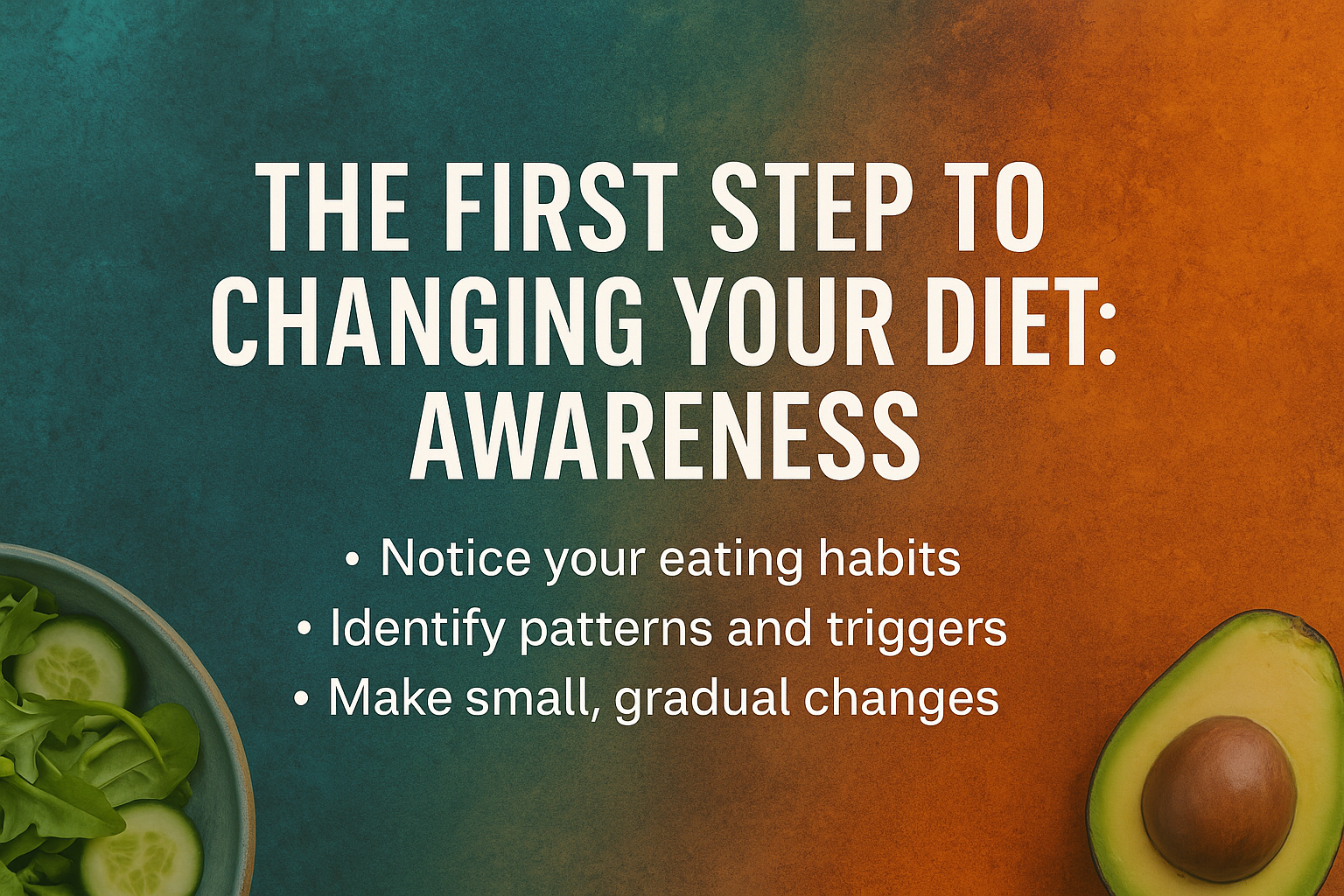
High performers don’t need more diet plans — they need clarity. Awareness turns mindless habits into intentional choices, setting the stage for sustainable nutrition change.
The most important part of any successful, healthy diet isn't the macro distribution or what foods are added or removed, the magic is in the awareness of what you're trying to accomplish, how you feel about the food you're eating, and how your body responds to those foods. That awareness will allow you to more accurately monitor whatever phase of life you want to shift towards, losing weight for that summer vacation, building muscle to compete with your buddies, or fuel your next endurance event.
To start this process, you'll want to add to your daily routine a few questions around each meal or snack you eat. You don't need to over think these, just a word or two is fine:
What did you eat, don't worry about measuring or weighing (yet). Pictures are fine.
A general idea of the time (or reference the time stamp on your picture)
How you felt before you ate, what you were feeling while you eat, and how you felt afterward. Again, this doesn't need to be a long dissertation, just a sentence or so for each.
Where you ate is also important as well as the other things that may have been present. This would include watching TV, scrolling on your phone, out with friends, at the table with family, or other such locations and events could be applicable here.
Keep up this log for 3-5 days and it is best if you can span a weekend as most people usually have a variance in their weekend and weekday routines. Keep this record in whatever medium makes the most sense for you. This could be a notebook, a blank email, text app, or using one of the many tracking apps available on your phone. At this stage of the process, the specific tracking mechanism isn't as important as the insights you gleam. If you decide to continue this process for a longer period of time, it may make sense to move to something more tailored to your goals.
Based on your observations, there may be some trends you can pull out into some actions. Start with making one change and working to sustain that for a couple of weeks before looking to change anything further. Think about what change you feel 90% confident you'll be able to implement on a daily basis for the next 2 weeks. This is important for 3 reasons:
making a single change is easier in practice and for the brain to accept. It also makes sustaining that change easier going forward.
With only a single change, you can track what works and what doesn't. If you make 10 changes all at once it becomes almost impossible to understand what is helping and what might be making things worse.
Picking something you feel confident in not only will allow you to build momentum, but typically after 2 weeks of doing a specific task, it becomes a habit.
Some examples of actions based on what you observed:
If there's a particular meal you're struggling with, one option is to add some calories to a drink - protein in your coffee might be something to try.
Another suggestion is to think about meal prepping something specific for a meal. This might be some sort of bulk breakfast like overnight oats, casserole, or muffins, or a larger portion of a protein, like chicken, beef, or pork that you could quickly add to a rice bowl or wrap for lunches and/or dinners.
If you notice you have energy dips, pay attention to the meal preceding that dip. You could add in a snack if there's a large time gap, or see if there's something missing from that previous meal. Look to maybe add some carbs for energy to a larger protein meal, or some protein (even some fat) to a pure carb meal.
If you notice that you're hungry late at night, or first thing in the morning then take a look at your dinner. Perhaps adding in some more filling calories like protein or fat or more fiber to boost the satiation of the meal.
This will also give you a idea around your general daily calorie intake as you may notice it is either significantly higher then you expected or lower which could be a factor in either struggles with weight management or energy levels.
Whatever change you end up deciding on, stick with that for at least a week, aware of the same questions you were before, but also pay attention to things like your mood, sleep, and energy levels such that you can better understand if this change helped and in what ways. This process can be repeated as frequently as you feel makes sense for where you are and where you what your goals are. It will also make sense to have a sustaining period where you keep everything the same, this allows you to verify that the changes you've made are showing the results you expect and want.
If you feel like having someone guide you through this process, this is exactly what I do for my clients and the process looks very similar if we decide to tackle something besides nutrition like your strength training, sleep habits, or stress management.
And remember, sustainable change doesn’t start with restriction. It starts with awareness.
See the patterns. Make one shift. Build momentum
If you like what I have to say, follow here, my email newsletter, or reach out and we can chat in more detail.

You Don’t Need Another Fitness Plan — You Need a Coach
Why should you consider a health coach, and what to look for in a coach you hire.
I'm sure you've been under a barrage of emails, ads, reels, threads, and videos all telling you what is lacking in your diet, what you're eating too much of, what one time hack will change your life, how to get that elusive 8 hours of sleep a night, or how this exercise plan is guaranteed to drop 10 pounds in a week. All of that information has value, but it way is too much to handle and the majority of it doesn't apply to your exact lifestyle and situation.
That is why a Health Coach could be the solution to the goal that has been eluding you for longer than you want to admit. A coach will act as a guide, empowering you to change your life not only in an effective way, but in a sustainable way such that it becomes your new normal. Probably the most important benefit is filtering the noise down to what matters and a sounding board for those items that sound interesting.
A few other way a health coach will help you hit new levels:
The accountability of someone else (outside of your family and friends) who can not only keep track of your wins, but also help you gain insight from your struggles.
Your coach will tailor everything based on your unique situation to find not only the productive steps, but the steps you are willing AND able to take.
The ability to combine raw data (calories, heart rate metrics, food intake, etc) with logistical factors (travel, commute, working hours, etc) as well as all the emotional aspects (relationships, passions, goals, etc.) to form a more complete and flexible strategy for success.
A good health coach will look at multiple aspects of your life, and not just focus on a specific thing. How do you need to modify your fueling based on your strength training, how should both of those be shifted during higher stress loads at work or while travelling, or how (and when) to double down on a sleep routine to maximize performance?
Because of the above (and others) working with a health coach will result in consistent success and not the massive fluctuations so many struggle with. Sure there will be ups and downs, but honest communication with your coach will level those out such that they're smaller in magnitude and less frequent.
If this all sounds like something you might be missing, the next question is what to look for in a health coach?
By far the most important aspect is a personality that you feel comfortable with and meshes well with your own. Coaching is only as successful as the communication between the coach and the client. If you don't feel comfortable sharing your struggles, that's not the right coach for you.
That coach needs to meet you where you are:
Technology for communication
in person
some form of video conference
phone calls
text
Meeting frequency and availability
Expectations on you
logging or tracking
communication
commitment
Price
You also will want to understand the experience and credentials of the coach, and you'll want a mix of both. I'm sure you know the booksmart but not street savy people, and the opposite as well - you'll want something in the middle. Someone who understands the details, but has enough experience to be able to tailor it for you specifically.
At the end of the day, lasting change doesn’t come from hacks or quick fixes — it comes from having the right structure, support, and accountability. If you’re ready to build momentum and start feeling your best, working with a coach might be the step that makes it stick.
If you like what I have to say, follow here, my email newsletter, or reach out and we can chat in more detail.