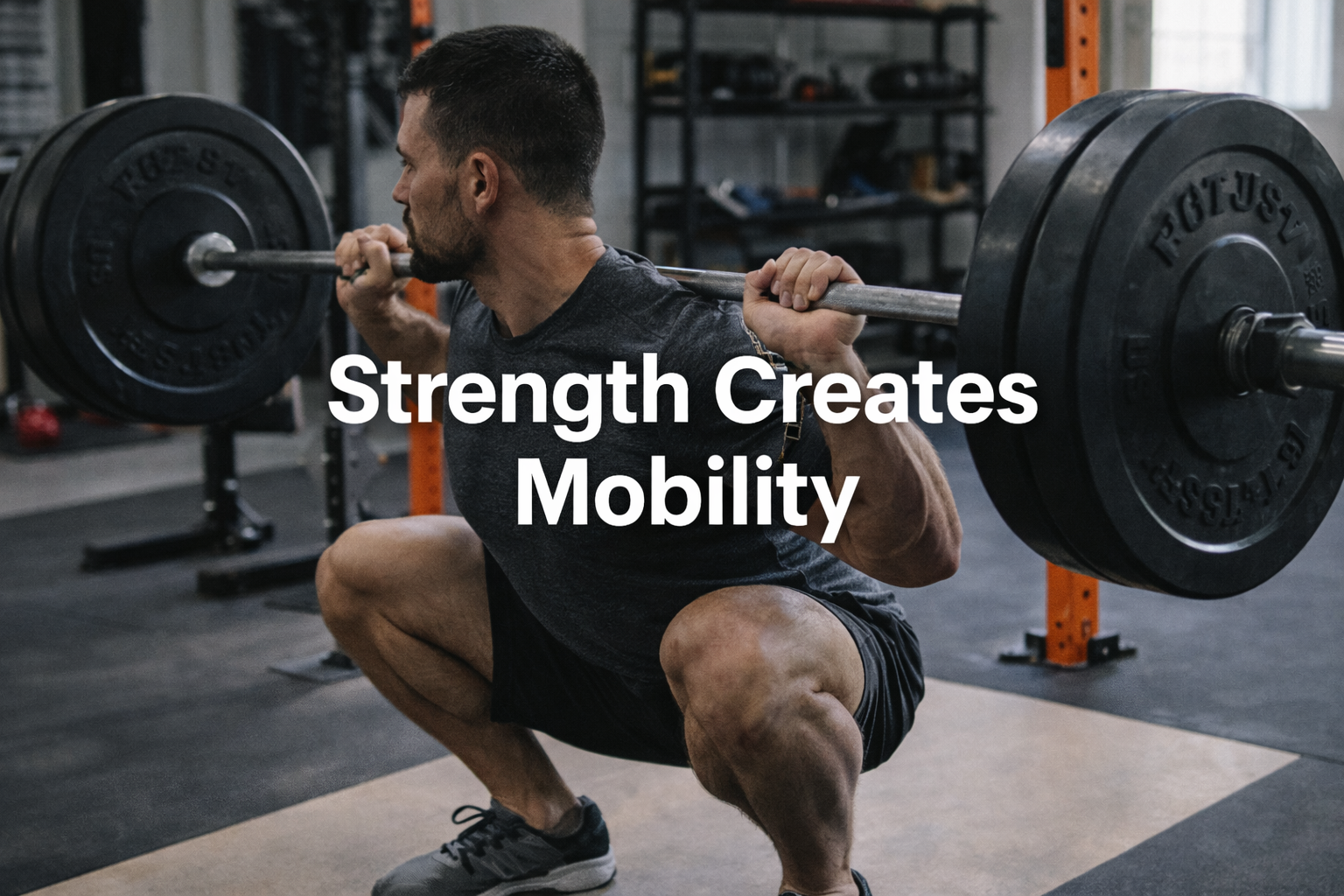
Stretching Isn’t the Fix: Strength & Movement Are
If you feel tight or stiff, stretching alone may not be the answer. Learn why strength and movement create lasting mobility — and how to use stretching effectively without overdoing it.
If you feel stiff, sore, or restricted, your first instinct is probably to stretch more.
But for most people, tightness isn’t a flexibility problem — it’s a capacity problem.
Strength and movement solve far more issues than endless stretching ever will.
I've had many clients initially tell me they wanted to be more flexible and I appreciate that we all have goals however I believe there are better goals to strive for than flexibility out of the gate. One quick test is a standing squat, notice the depth you can achieve and then perform that same squat using a door frame, bar, squat rack, anything for support and notice the depth again. For most people, there is a significant difference which shows the issue isn't flexibility (at least in legs) but in strength for your body to get into and out of that position. Now if you're one of the few that those 2 exercises have similar depths, than yes perhaps mobility is an issue. However, the second question I then ask is what everyday activities are restricted by this "lack of mobility" and usually there aren't any. Again, if something comes up that should be addressed but for most they would be better served to chase strength, especially at the edges of their range of motion than spending time on stretching.
The first thing to look at when working on mobility and flexibility, and that is to maximize the range of motion with your exercises. This may require using less weight than normal, but that additional range of motion will provide a large stimulus that will dramatically increase overall strength. Another good option is to hold at that full range of motion to provide a specific stimulus at your weakest portion of the movement. Not only will this combination increase your overall mobility but that increased mobility will greatly decrease your likelihood of injury.
The next best way to increase mobility is through frequent movement of those joints with minimal stress but full range of motion. Think of things like walking, easy bike rides, or perhaps even swimming as activities that fall into this bucket. The main benefits of this kind of movement is that it:
lubricates joints
increases blood-flow throughout the body which brings nutrients and removes waste
and it reinforces natural movement patterns
This movement doesn't need to be a long duration, even short durations can be beneficial - try to at least get to the point where you feel your body loosen up.
All this isn't to say that stretching doesn't have a place in a healthy lifestyle - it certainly can, but many either implement it incorrectly or at the wrong times. There are typically two kinds of stretching:
Dynamic, or moving stretches - these typically incorporate slow movements through an entire range of motion. Think leg swings, arm swings, body leans, etc.
Static stretching - holding the same stretched position for anywhere from 10 seconds through multiple minutes.
Dynamic stretching is best used before exercise as a warm-up to prime the muscles for whatever exercise you're about to start. Static stretching is best used either as a cool-down after exercise or as part of a night-time routine to calm the muscles and nervous system before sleep. Stretching then becomes the enhancement tool for your exercise and not the main event.
Most people don’t need more mobility drills — they need more movement and more strength.
Build capacity. Move often. Use stretching as a tool, not a crutch.
When strength and movement lead the way, mobility follows naturally.
🔗 Subscribe to The Wellness Forge for practical, sustainable strategies that build resilient bodies — not fragile routines.
Ergonomics for Recovery: Setting Up a Standing Desk to Reduce Pain and Prevent Flare-Ups
I didn’t add a standing desk because I wanted to “biohack” my workday—I added it because I was tired of feeling worse the longer I sat. During my own injury recovery, the biggest shift wasn’t standing all day; it was having the ability to change positions whenever symptoms started creeping in. In this post, I share what helped (and what didn’t), how I used sit-stand intervals as “active recovery,” and the key ergonomic and movement cues that made my desk setup part of the comeback—not part of the problem.
As I discussed last week, there are lots of benefits to a standing desk but I wanted to get a little more personal on how it has helped me during this past year. As a Health Coach, I spend most of my time working with my clients to help them realize how some of their habits and environments are not set up for their success, but I will admit it isn't always easy for me to do that same thing for myself. Over this past year, I've suffered two significant injuries that have not only derailed my training but have also had a massive impact on my quality of life. Based on these two injuries, I have looked into things I could put into practice during my daily life to not only help heal those injuries but better recover from my training and life activities. I do find myself sitting for a good portion of the day, not only at my desk, but also in my car as I drive quite a bit for clients. I have made some changes in the car, but those are more complicated and not quite as significant, and with both of these being hip injuries (both sides) I wanted to make changes not only in my posture but my overall workspace.
I've had my current workspace for over 6 years now, and while it mostly worked I noticed it was starting to lead to more aches and pains if I sat for too long. It also didn't have much flexibility in movement as managing all of the cables became unwieldy. I had tried a couple of half measures to piece together a standing option but with the system being manual, it was clunky and often created more problems than it solved. I then looked into the UPLIFT Desk and realized this could solve multiple problems and provide a badly needed refresh of my workspace.
When configuring my new UPLIFT v3 Standing Desk workspace, the primary requirement for me was the simple process of converting from sitting to standing, with the capabilities to provide the peace of mind with the UPLIFT Desk FlexMount Cable Manager system so that I wouldn't have to worry about any of my cords or cables or make a series of adjustments once that transition is made. Over the years, I've realized if there's any hesitation that I'll cut a cord, or yank something off the table, I won't bother with standing at all. The UPLIFT Desk provides numerous different ways to bundle, hide, and route all of the cables (and yes I have LOTS of them) to the places they need to go, maintain their functionality, and most importantly work exactly the same sitting and standing.
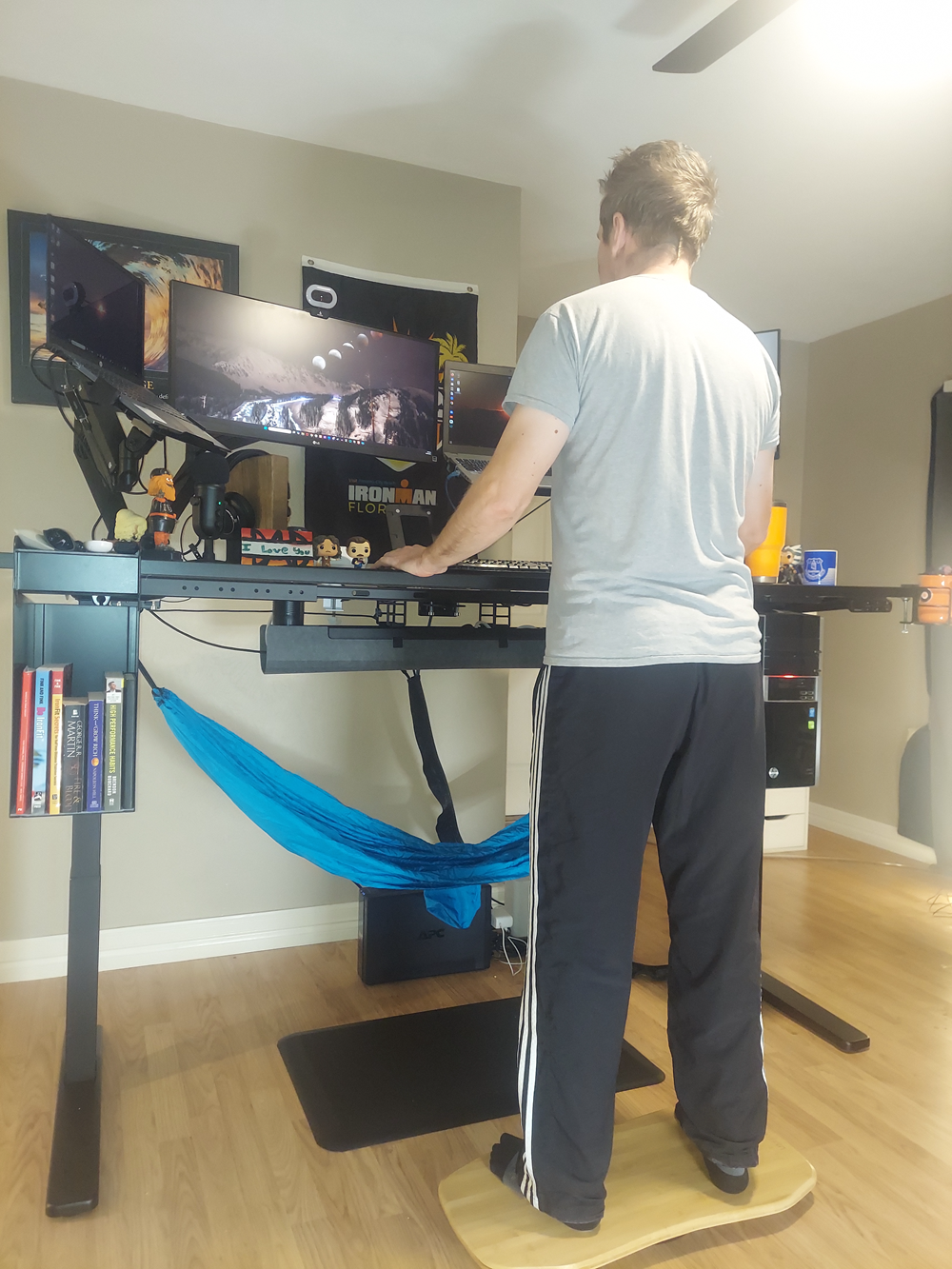
Another key component with my success with this new workstation has been the comfort while standing, having multiple options has been key. There are days when I want that cushy pad underneath my feet to provide that extra level of comfort. Then there are days where I want a little challenge, that's where the Motion X-Board comes in as it provides just enough instability to keep me mentally alert but also enough movement to help my ankles, knees, and most importantly (for me) my hips. Not only have these options allowed me to extend the time I spend standing, but also provide movement when I need it. This movement and changing of positions increases the amount of blood flowing through the legs and in general keeps the body in a more neutral position which promotes recovery.
The other key component for me of a successful workstation, is the aesthetics of it - or the looks. This isn't just the design of the desk and the material options, but the ability to keep it clean, organized, functional, and still a little fun! Being able to lift my monitors and computers off the desk clears up the entire workspace for not only utility, but allows me to display some of the other fun items in my collection. And since the entire workspace moves, I don't have to do any re-organizing when I stand or sit. Speaking of fun, another option that I initially thought was silly was the concept of having a hammock as part of my desk. But now that I have it, I love it - and not necessarily for the reasons you might think. Sure it is comfortable and fun, but it actually does help me stay more productive, let me explain. As someone who works from home (and have for the better part of 20 years) I can always find distractions if I want to (and yes, distractions are also in the office too) but on the days when I want to stretch out a little bit the hammock provides a great option that still keeps me physically in the office. I can use that time to quickly recharge and not end up on the couch where I might end up accidentally watching an entire season of Stranger Things!
All of these features and options, especially the UPLIFT Desk’s ergonomic benefits, have enabled me to successfully rehab from my injuries and build healthier more sustainable habits that should help to keep me more injury free going forward.
If you’re dealing with nagging pain or coming back from injury, think of your desk as part of your rehab plan. The goal isn’t to stand all day—it’s to create more movement opportunities and reduce time spent in the positions that provoke symptoms. Start with 10–20 minute standing blocks a couple times a day, keep your posture relaxed, and use the desk transition as a cue to reset: a few breaths, a quick walk, a gentle stretch. Want the easiest way to build that routine into your day? Explore UPLIFT Desk and set up a sit-stand station that makes consistency automatic.
If you choose to purchase through this link, I will earn an affiliate commission on that purchase - feel free to use that link or share it with others as a way to support what I do
Less Sitting, More Moving: Standing Desks, Mobility Breaks, and Everyday Comfort
Stiff hips, tight backs, and that “creaky by 5pm” feeling usually aren’t a motivation problem—they’re a positioning problem. A standing desk doesn’t magically fix mobility, but it does make it easier to change positions, move more often, and build quick “micro-breaks” into your day. This article breaks down the real mobility benefits of a sit-stand setup, how to alternate sitting and standing without fatigue, and simple movement resets you can do in under a minute to feel better during (and after) the workday.
As we start off the new year, many of us are looking for ways to improve our health, and as a Health Coach one of the main things I look for are those minor changes in a clients' lives that can stacked or progressed to accomplish a much larger change. One of those aspects I look for is movement as it has become far too easy for us to sit (or lay) in one position for far too long. I always look to incorporate small changes that can add a little movement, but that small change is then repeated multiple times throughout the day. There are many examples of this, choosing the further bathroom, walking the stairs and not using the elevator, parking further away, and so on, but another great one comes from the desk that we spend a good portion of our day behind. If we can switch that to an UPLIFT Standing Desk, even for a portion of a day, that change of position and posture plus the natural shifts and sways that will happen will naturally result in more movement during the day. Not to mention that we've now included at least two more squats during the day, which do add up.
First let's talk a bit about some of the challenges that come from sitting for long periods of time during the day. Even if you have perfect sitting posture, most of us don't, there is only so much movement you can encourage while sitting and that lack of movement not only creates stiffness but it also reduces blood flow. That stiffness and reduced blood flow makes moving even harder and creates that reinforcing circle that feeds on itself making you less likely to move. Poor posture combined with that reduced blood flow over time will reduce overall range of movement in your joints and as your body gets more used to sitting it will reduce resources sent to your leg muscles as they are spending large portions of the day resting. Yes you can (and should) strength train, but sitting for long periods makes those gains in the gym even harder to accomplish.
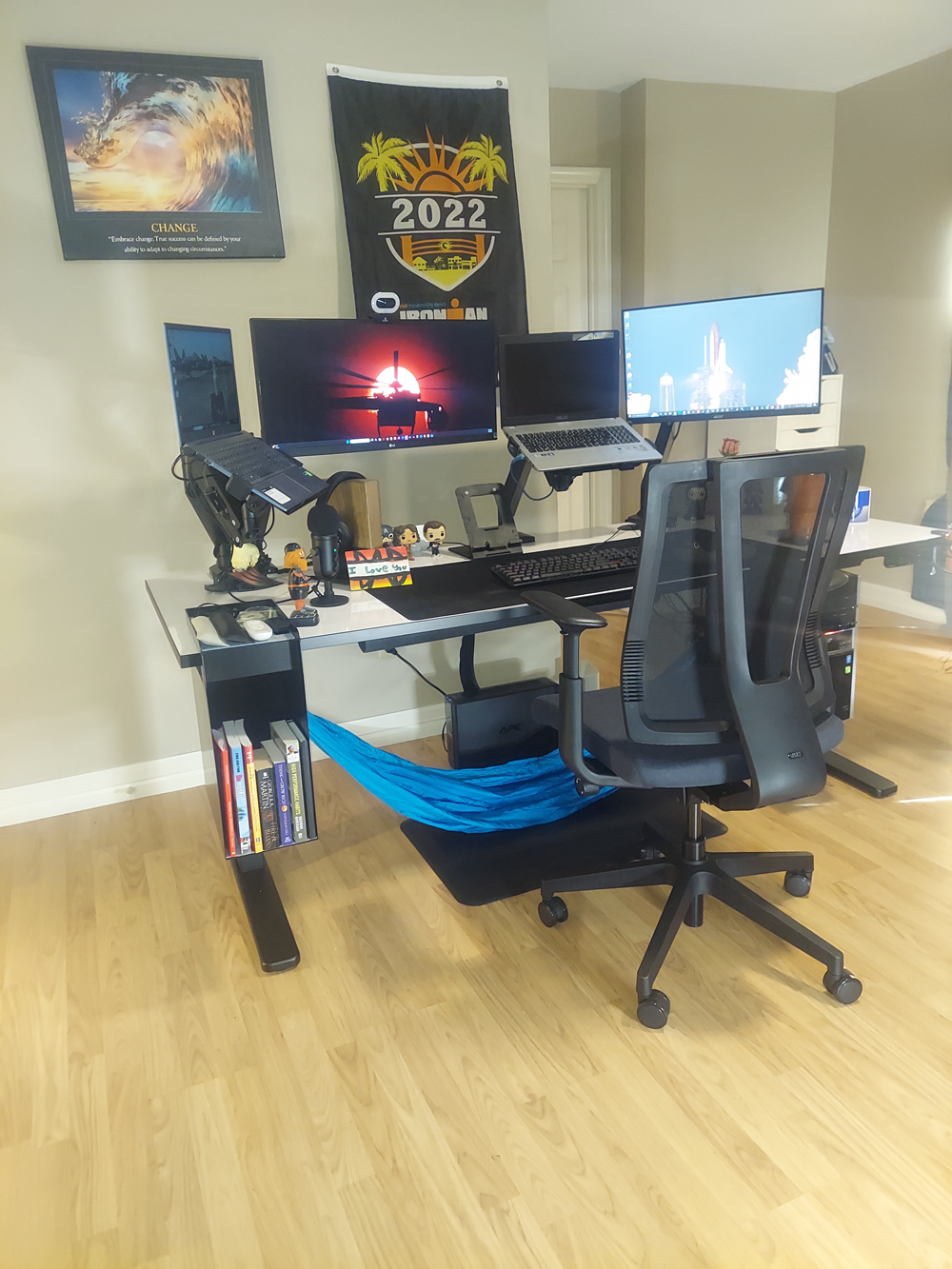
My UPLIFT Desk in the sitting configuation
One of the advantages of something like the UPLIFT Desk is that standing encourages your body to operate in a healthier fashion. First off, while it won't fix your posture, you're more likely to be in a neutral posture standing then most are when they're sitting. This posture shift not only promotes more blood flow but it removes so many of those sticking points that we sometimes find ourselves in while sitting. Also while standing there are many more opportunities even for subtle movements like shifting of weight, swaying, and small steps taken will all add up to increase your daily step count but a healthier working body overall. Standing requires your leg muscles to be activated and that will reinforce the work you're doing in the gym to help build and maintain strength. Having a standing option at your desk also promotes more movement as it presents more options.
When looking at standing options, a big component to consider is the ease at which you can switch from sitting to standing. I've tried a number of other options over the years, but one of the reasons I went with the UPLIFT Desk was the superior cable management options that can cause significant challenges if not handled properly. Also of consideration should be the ability to keep the workspace clean but also function in a similar fashion standing as it does while sitting. If you need to do a bunch of different things or use the space differently in different configurations, it becomes more of a hassle and as such you naturally won't leverage the options as frequently.
If you're looking to make a change in your workstation, I do recommend an audit of your current space, workflow, and current habits to make sure you account for as much as possible. While it may seem like a "nice to have" using mounting arms to lift and position monitors and laptops definitely is worth any extra fee they might come with. Not only does this free up your workspace but it also allows you to set it up in a way that reinforces proper posture. It is also important to look at the cable management options, something the UPLIFT Desk excels at, such that you can not only make it aesthetically pleasing, but also fully functional while both sitting and standing, without having any adjustments needed.
Mobility isn’t something you earn in one long stretching session—it’s something you build through frequent, low-effort movement. A standing desk turns everyday work into more opportunities to change angles, open up the hips, and keep the spine from locking into the same position for hours. Use the raise/lower button as your cue for a quick reset: a few breaths, a calf stretch, a hip hinge, or a 30-second walk. Want an easy way to bake that routine into your workday? Explore UPLIFT Desk and set up a sit-stand station that makes movement breaks automatic.
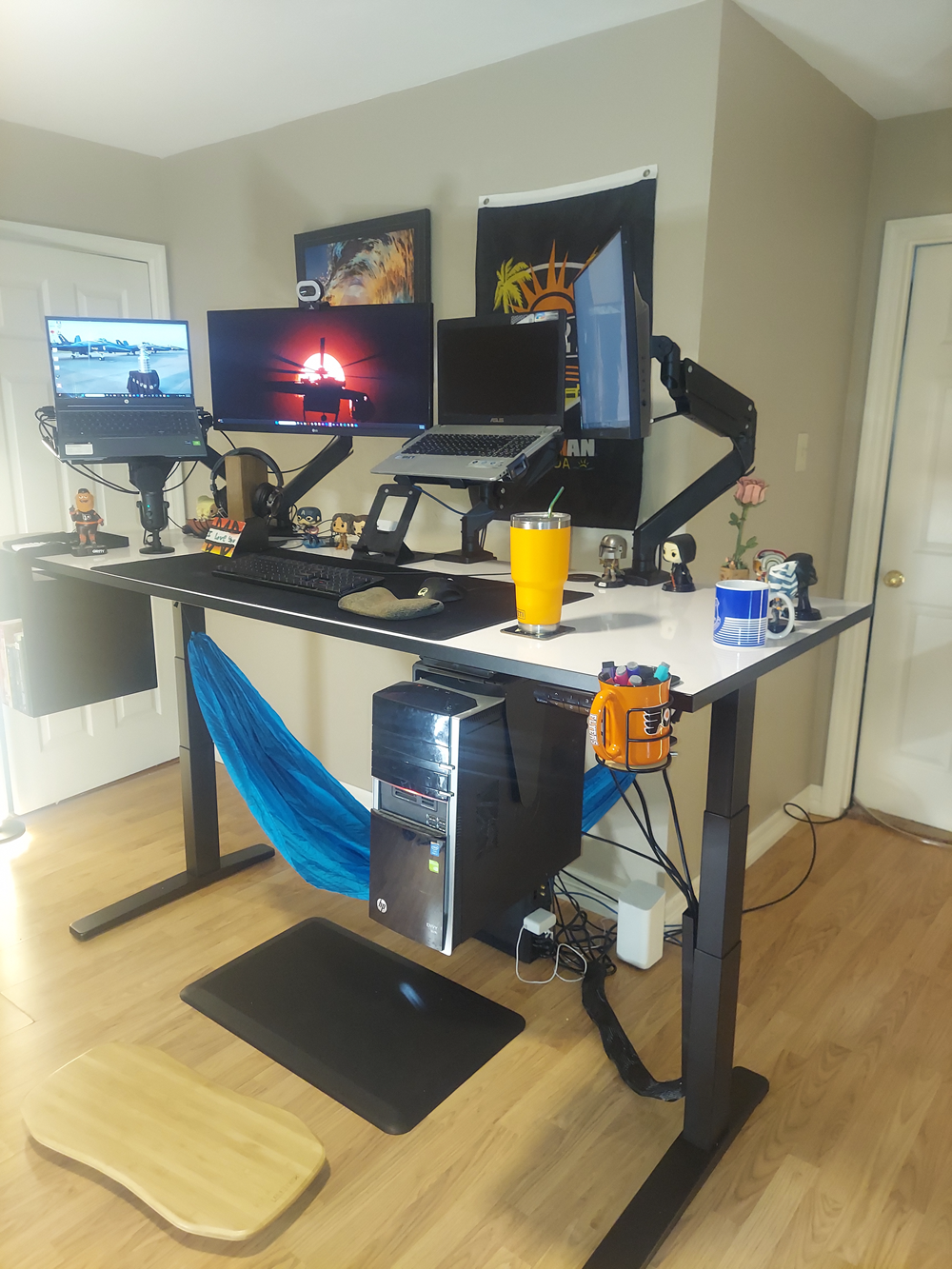
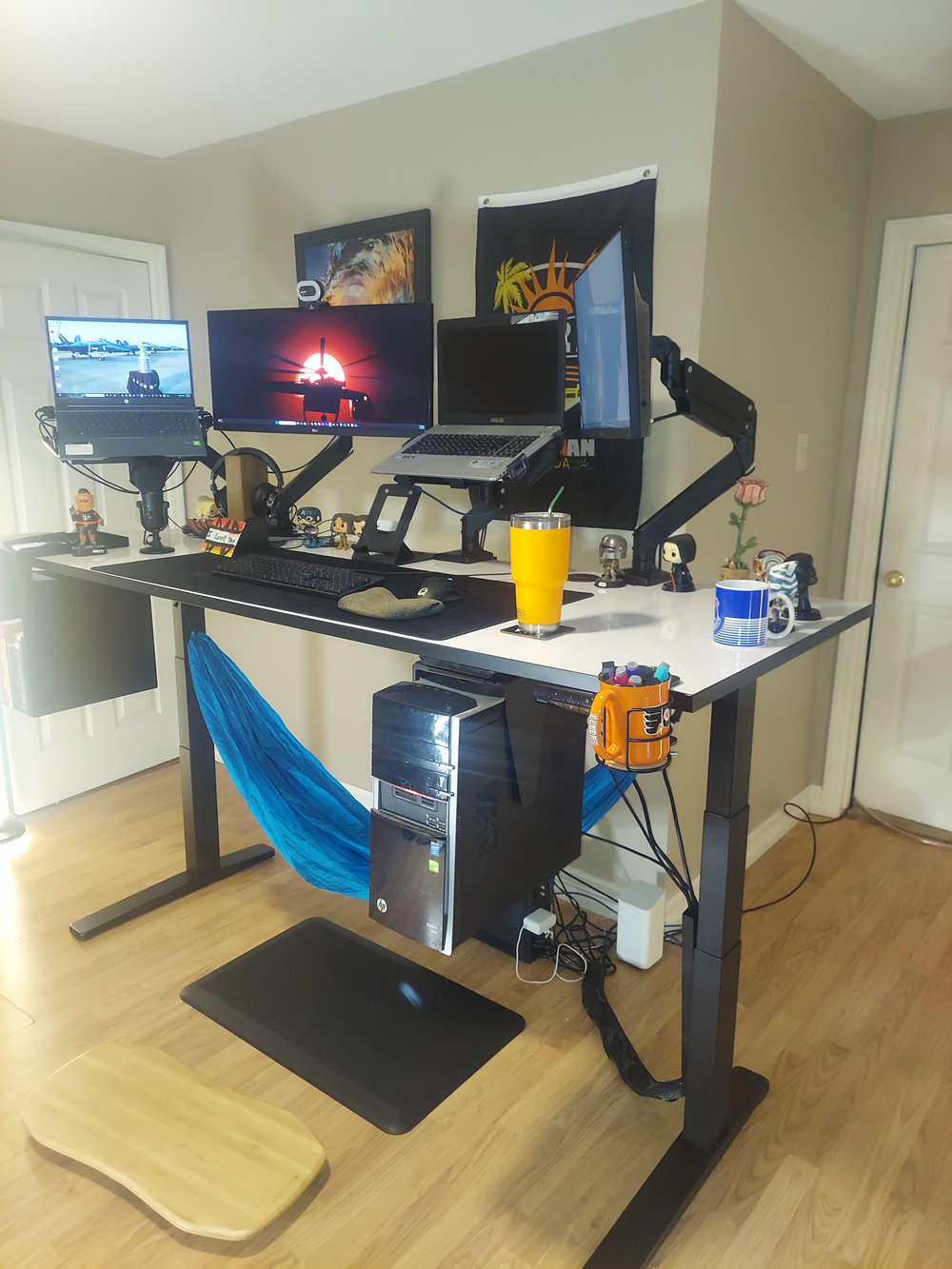
My UPLIFT Desk in the standing configuration.
If you choose to purchase through this link, I will earn an affiliate commission on that purchase - feel free to use that link or share it with others as a way to support what I do.
More Than Sleep: How to Recover Physically and Mentally
Recovery is more than sleep. It’s the daily habits, movement, and mental resets that help your body and mind rebound from stress. Learn practical strategies to recover smarter anywhere.
Sleep is the foundation of recovery — but it's not the whole story.
True recovery happens through the habits, movement, and mindset strategies you use throughout your day.
Here’s how to build a recovery system that supports greater performance, resilience, and consistency.
One of the best recovery tools you can master is sleep, however that doesn't cover all aspects of recovery. Recovery isn't just a single item and it needs to be adjusted based on the specific stressors on the body and how it is handling them. A tricky part for this is that the two aren't always correlated, for example after a hard workout you may feel like you need a mental break more than a physical one. Many think of recovery as the down time between workouts, but it is a complex set of processes the body is consistently engaged in as it deals with the stressors of life. Things like eating, hydrating, watching Netflix are just some of the things that can be leveraged as recovery aids. Recovery is where all the magic happens as not only does the body heal from any damage that has been done, but it also is where the adaptations to those stressors occur. And that's the most important part, we want the body to have the time AND resources needed to make the adaptations we're training for. We don't build muscle during out strength workouts, our body builds in as it recovers and adapts such that it can be more efficient in handling those workouts in the future.
First let's talk about physical recovery, as this is what most think about when recovery comes up. This can essentially be broken into two buckets - movement and fueling. While many might think that a lack of movement (laying on the couch) is the best recovery, usually the best option is light, low impact movement to get the blood flowing to help bring nutrients to the areas of need, and pull all the bad stuff away. Think things like stretching, mobility work, walking, yoga, swimming, all are great options to consider when used appropriately and at a low intensity. That's not to say, there are times when taking time to fully "do nothing" might be the best option, but for me at least, those are usually paired with needing to mentally restore as well. Load management is also a key part in all of this, some times swapping out a strength workout for a mobility day, or changing your speed day for a Zone 2 run will also prove more beneficial in the long term. The other aspect to think of physically is refueling your body not only of the nutrients (carbs, protein, vitamins, etc.) but also hydration. While you may think that since you're taking it easier, you don't need as much fuel - remember that while you're recovering, you're also building, and to build your body needs the fuel to accomplish that task. I'm not suggesting you fuel your recovery days like your monster workout days, but you should most likely fuel more on your recovery days then you think you need to. This is also the bucket where all those fun tools/toys come into play, but that's a whole different post for another day.
Physical recovery is usually the one most people think of first, but we can't underestimate the impact of mental and emotional recovery. Those are much harder to track and monitor as we don't have great ways to quantify those aspects of our lives (yet). And yes, there is some overlap between physical and mental recovery, I myself often find exercise as a great way to let my mind wander and disconnect from the other stressors in my life - but physical exercise still is a stressor on the body. Mindfulness is one of the top ways to foster this kind of recovery and it can take lots of forms (journaling, meditation, quiet time, etc) such that you open up to the idea of acknowledging where you currently are and what paths forward are available to you. This doesn't have to be large block of time, even 5 minutes can be enough to not only provide the mental clarity but an opportunity for your brain and body to rest and reset. Another great option is to take time outside (weather permitting) maybe even combining this with some mindfulness for additive benefits. Finally, a great way to mentally recharge is to be around other people either in person or through voice, text, video chatting. The simple act of reaching out to someone else not only removes you from your stressors but opens up the possibility of connection and helping someone else through their challenges.
Recovery isn't a one size fits all process, it varies from person to person, and from day to day, so the way to improve it is through awareness and experimentation. Consciously understanding where you currently are, trying some things, and then evaluating how you feel during and afterwards. You can do this using some form of journaling, combined with a wearable, or with the help of a coach to see what works for you in various kinds of circumstances. As important as numbers and metrics are, don't discount how you feel either - ideally they will correlate, but sometimes they don't which requires further investigation. This process also applies to the holidays, you'll need to be aware of what's changing in your life, your stressors and your ability to handle them, and adapt your training and recovery appropriately to match those.
Recovery is a skill — and you can build it like any other.
You don’t need an hour, a spa day, or a perfect routine. Just a few intentional habits that help your body and mind reset.
Start small. Stay consistent. Protect your recovery.
🔗 Subscribe to The Wellness Forge for more science-backed strategies to perform better, stress less, and live stronger.